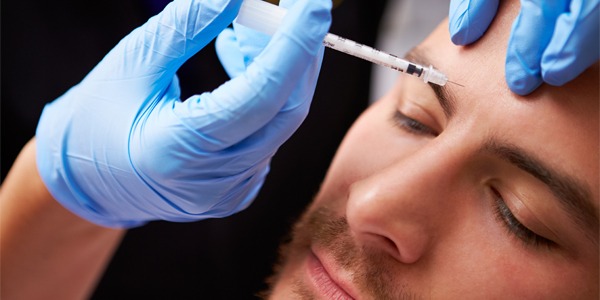
Botox has become one of the most popular aesthetic treatments in the world—and not just for smoothing existing wrinkles. More people in their 20s and early 30s are using preventative Botox to delay fine lines before they become deeper, more permanent wrinkles.
So, what’s the best age to start Botox, and how does preventative dosing actually work? Here’s what our experienced injectors recommend.
What Is Preventative Botox?
Preventative Botox involves using lower doses of neuromodulators (like Botox, Dysport, or Daxxify) to soften repeated facial muscle movements that eventually form expression lines.
Instead of waiting for wrinkles to become etched in, preventative dosing helps:
- Slow down wrinkle formation
- Maintain smoother skin long-term
- Reduce the amount of Botox needed later
- Keep facial expressions natural
When done correctly, preventative Botox should look subtle—not frozen.
What Age Should You Start Botox? An Injector’s Breakdown
There is no one “perfect” age to start Botox, but most injectors follow a pattern based on skin condition, genetics, and muscle movement.
In Your Early to Mid 20s (Preventative Phase)
Ideal for: Those with expressive eyebrows, early forehead lines, or a family history of deep wrinkles.
Most people don’t need Botox at this age, but it can help if:
- You have strong frown lines when concentrating
- Your forehead creases even when relaxed
- You squint or raise your brows often
Injectors typically use low, conservative doses.
In Your Late 20s to Early 30s (Most Common Starting Age)
This is the age range most board-certified injectors recommend as an ideal time to begin preventative Botox. By this point:
- Expression lines appear when your face is at rest
- Makeup settles into fine forehead or eye lines
- Sun exposure or stress has created early creases
Preventing deeper lines now is easier than treating them later.
In Your Mid 30s to 40s (Correction + Prevention)
If you already see visible forehead lines, crow’s feet, or 11 lines:
- Botox can soften and smooth them
- You may need slightly higher doses than someone starting earlier
- Preventative benefit still exists, but treatment becomes corrective + preventative
Most injectors see clients continue Botox consistently into their 40s for long-term wrinkle reduction.
How Preventative Botox Dosing Works
Preventative dosing is customized, but here’s the general breakdown:
Lower Units Than Standard Botox
Typical preventative doses:
- Forehead: 6–10 units
- Frown (11 lines): 8–15 units
- Crow’s feet: 6–10 units per side
Traditional dosing is often 20+ units per area, so preventative Botox is lighter and more natural.
Treatment Every 3–4 Months
This keeps muscles relaxed enough to prevent creasing without fully freezing expression.
Natural Movement Preserved
Preventative Botox shouldn’t erase movement. The goal is:
- Subtle softening
- Less muscle strain
- Long-term wrinkle prevention
Signs You May Be Ready for Preventative Botox
You may be a good candidate if you notice:
- Lines that linger after expressions
- Makeup settling into forehead or eye creases
- Squinting when reading or looking at screens
- A habit of raising your eyebrows
- A family history of early wrinkles
A consultation with a licensed injector can determine whether your muscles are developing early etched lines.
Benefits of Starting Botox Earlier
Starting Botox before deep wrinkles appear can:
- Maintain smoother skin longer
- Reduce long-term Botox needs
- Delay the development of static lines
- Improve skin texture over time
- Allow injectors to use smaller, more natural doses
Most patients say starting early gave them more natural results over time.
Is There Such a Thing as Starting Too Early?
Yes. Injectors generally don’t recommend Botox if:
- You have no visible fine lines
- Your muscles are weak or have little movement
- You’re under 18 (not FDA-approved)
A thoughtful injector will always evaluate your muscle activity first before recommending treatment.
FAQs: Best Age to Start Botox & Preventative Dosing
What is the average age people start Botox?
Most people begin between 25–35, as this is when expression lines first appear.
Can starting Botox too young weaken your muscles?
Preventative doses are low, so they don’t cause long-term muscle weakening when done correctly.
Does preventative Botox actually work?
Yes—clinical studies show that neuromodulators reduce wrinkle formation by limiting repetitive creasing.
How long does preventative Botox last?
Typically 3–4 months, though some people metabolize faster or slower.
Will I need more Botox as I get older?
Not always. Many patients who start earlier maintain smoother skin with lower doses over time.
Is Botox safe long-term?
Botox has decades of safety data. Most people tolerate repeated treatments very well.
Final Thoughts
The best age to start Botox depends on your muscle activity, genetics, lifestyle, and aesthetic goals—not a number. For many, late 20s to early 30s is ideal, but you’ll only know for sure after consulting with a skilled injector.