



The Complete Facelift Guide
The History of the Facelift
From Skin-Only to Deep Plane
Facelift Case Studies
Real Patients of Dr. Lynam
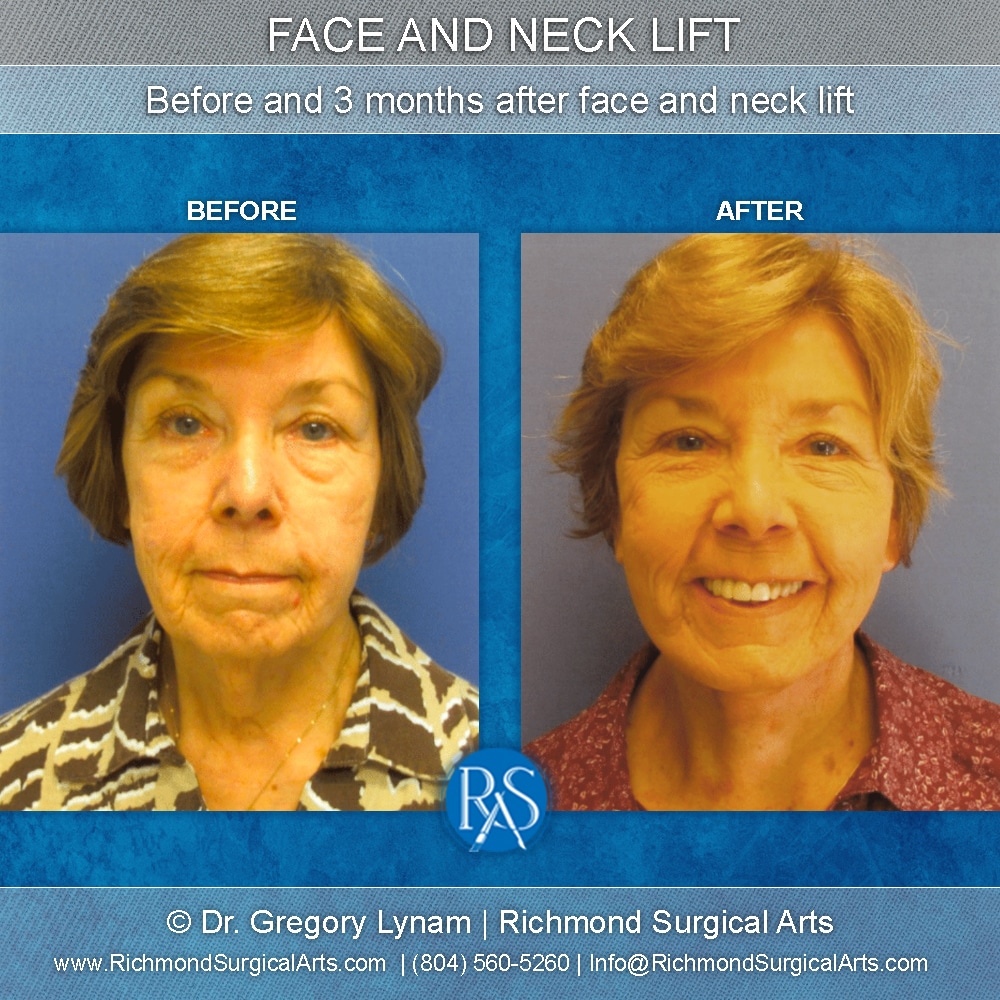
Face & Neck Lift · 3 Months After
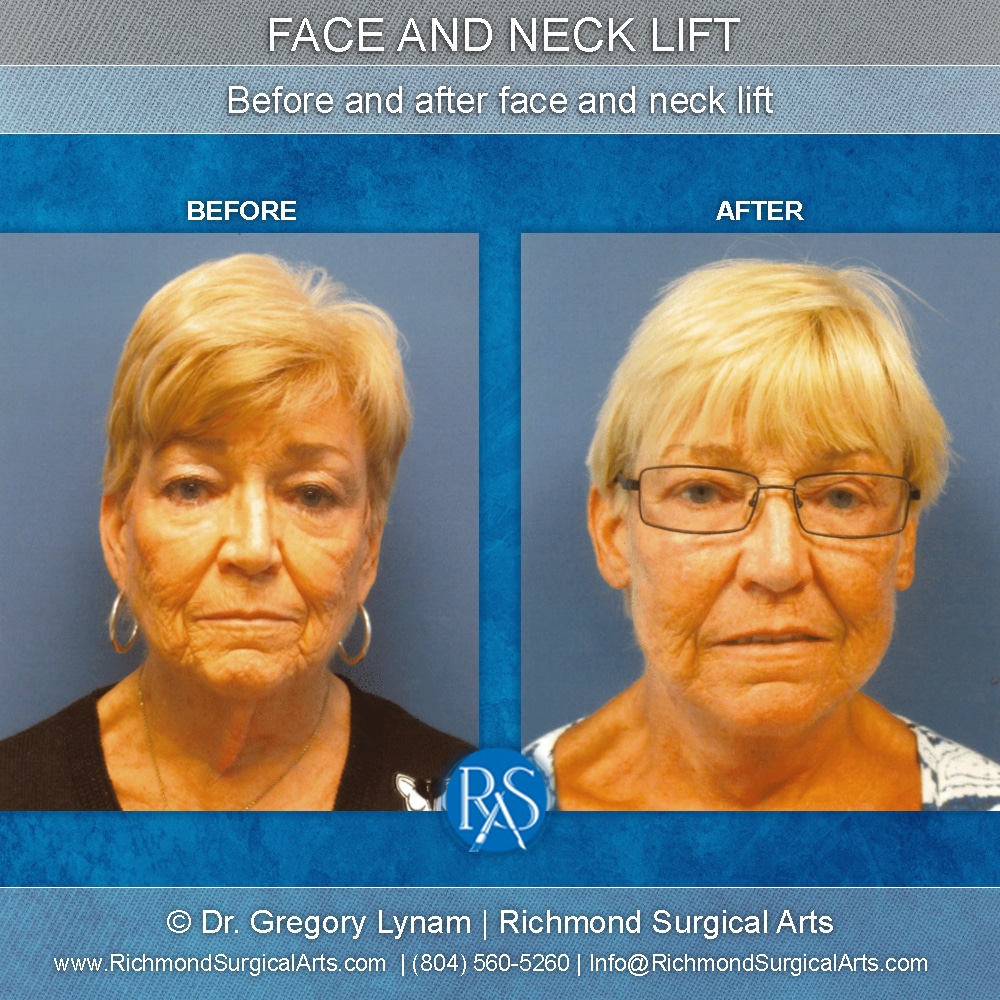
Face & Neck Lift · Before and After
Individual results vary.
The Skin-Only Era
The first facelifts, in the early 1900s, did the obvious thing: they lifted and trimmed skin. It made sense at the time, but it had two lasting problems. Skin is elastic. Pull it tight and it stretches back, so results faded quickly. And because all the tension sat on the skin, an aggressive lift could look tight or “wind-blown.” For decades, “facelift” meant a skin operation, with the limitations that came with it.
The SMAS Revolution
The turning point came in the 1970s, when surgeons recognized that the structural layer of the face isn’t the skin at all. It’s the SMAS (the superficial musculoaponeurotic system), the sheet of muscle and connective tissue beneath the fat. You can read more on our facial anatomy page. Lifting the SMAS instead of just the skin meant tension could sit on the layer that actually holds the face up. Results looked more natural and lasted longer. The modern facelift was born.
The Deep Plane Technique
The next advance refined how the deeper layer is handled. Rather than tightening the SMAS on top of still-tethered tissue, the deep plane facelift releases the retaining ligaments that anchor the face and repositions the SMAS and skin together, as a single unit. Because the deep structure is freed and moved as a whole, not stretched over anchored tissue, the deep plane lift reaches the midface and neck that earlier techniques couldn’t, and does it without a pulled look. It asks more of the surgeon, which is why experience and technique matter so much. See how the approaches stack up on our techniques comparison page.

Why the History Matters to You
“Facelift” today can still mean anything from a quick skin tuck to a full deep plane procedure, and they don’t produce the same result or last the same length of time. Knowing the difference is how you compare surgeons on what actually matters: which layer they treat, and how completely.
That’s the standard Dr. Lynam builds every custom plan around.
Facelift Videos
RSA BLOG
Stay updated regarding our offers, procedures and events

How to Know If You’re Ready for a Facelift
Facelift surgery is one of the most effective ways to rejuvenate the face, restore youthful contours, and smooth sagging skin. But how do you know when it’s the right time? Deciding on a facelift is highly personal and depends on factors like age, facial changes,...

How to Fix Under Eye Hollowing Without Surgery (2025 Guide)
Under-eye hollowing—often called tear trough hollowing—can make you look tired, aged, or sunken even when you feel completely refreshed. The good news? In 2025, non-surgical under-eye treatments are more advanced, safer, and more natural-looking than ever before. This...

Facial Filler Treatments – Erase the Signs of Aging with JUVÉDERM®
JUVÉDERM® treatments are designed to dramatically reduce the signs of aging, and can help alleviate all manner of symptoms from fine lines to deep folds and wrinkles. JUVÉDERM® can help to make facial skin feel and look firmer. As we get older, our skin begins to lose...